Robotic Course Reflection
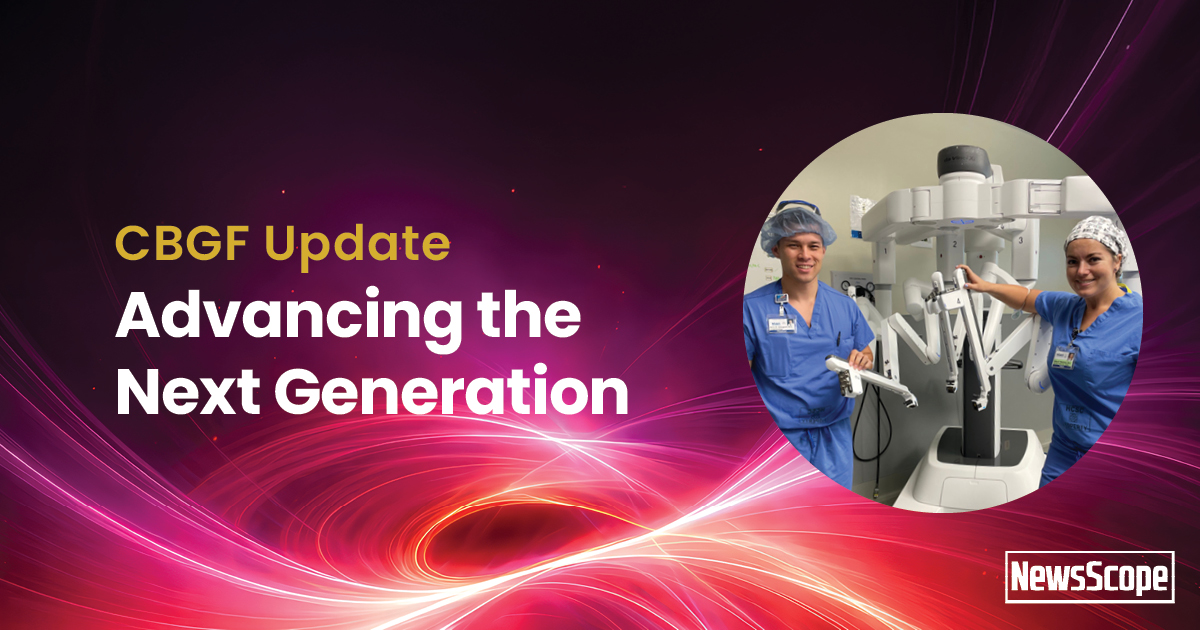
In early February 2026, the AAGL Fellow Robotic Course was held at Intuitive Surgical headquarters outside Atlanta, Georgia. The course brought together a select group of first-year fellows from across the country for an immersive educational experience. As a faculty mentor, I had the privilege of observing and working with these trainees during the program.
The course was thoughtfully designed to balance foundational knowledge with practical application. Participating fellows were divided into two groups, each engaging in both a comprehensive didactic curriculum and a hands-on simulation experience over the course of two days. The didactic sessions covered a spectrum of topics, ranging from core principles of robotic surgery to advanced techniques. Interactive faculty sessions highlighted different operative strategies and management of intraoperative complications. These sessions fostered active discussion, and the fellows were engaged deeply.
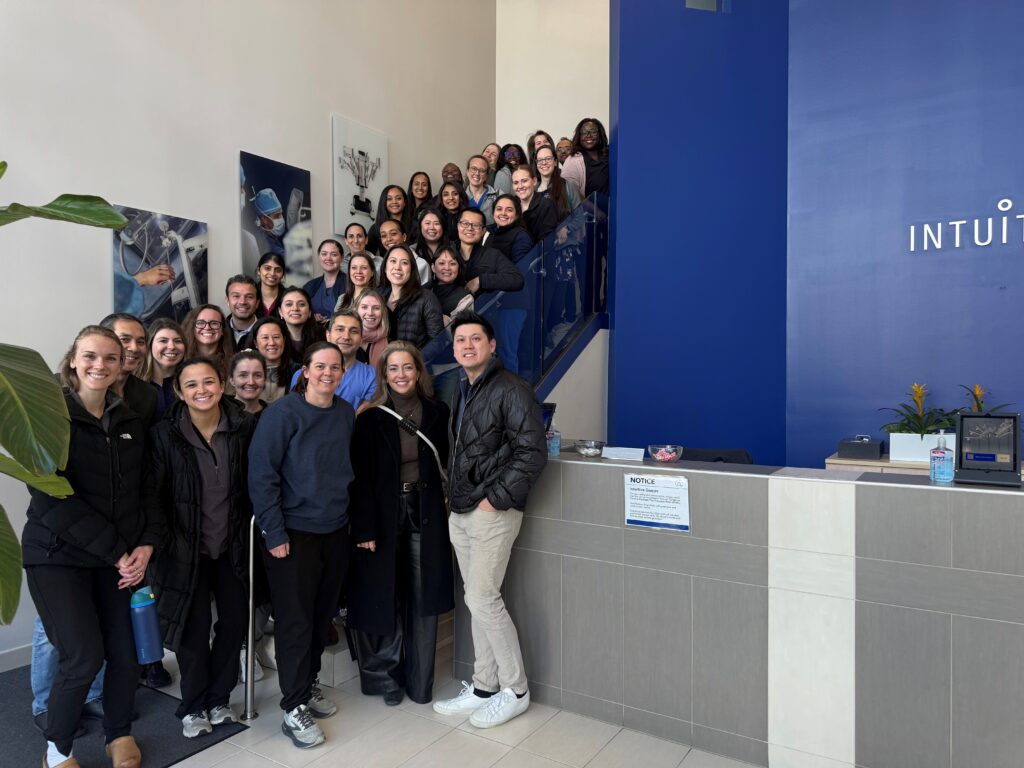
Equally impactful was the simulation component, which provided fellows the opportunity to translate knowledge into practice. Through structured and free-form exercises, participants explored their skills in robotic hysterectomy, myomectomy, vaginal cuff closure, and pelvic dissection. The simulation environment encouraged deliberate practice, immediate feedback, and iterative improvement—key elements in the development of surgical proficiency. Notably, the fellows approached these sessions with enthusiasm and focus, embracing both the challenges and opportunities for growth.
What stood out most was the level of engagement and investment demonstrated by the fellows. Their thoughtful questions, collaborative spirit, and eagerness to refine their technique underscored a shared commitment to excellence in patient care. Beyond technical skill acquisition, the course fostered a sense of community and professional identity among fellows and faculty, reinforcing their roles as future leaders in the field.
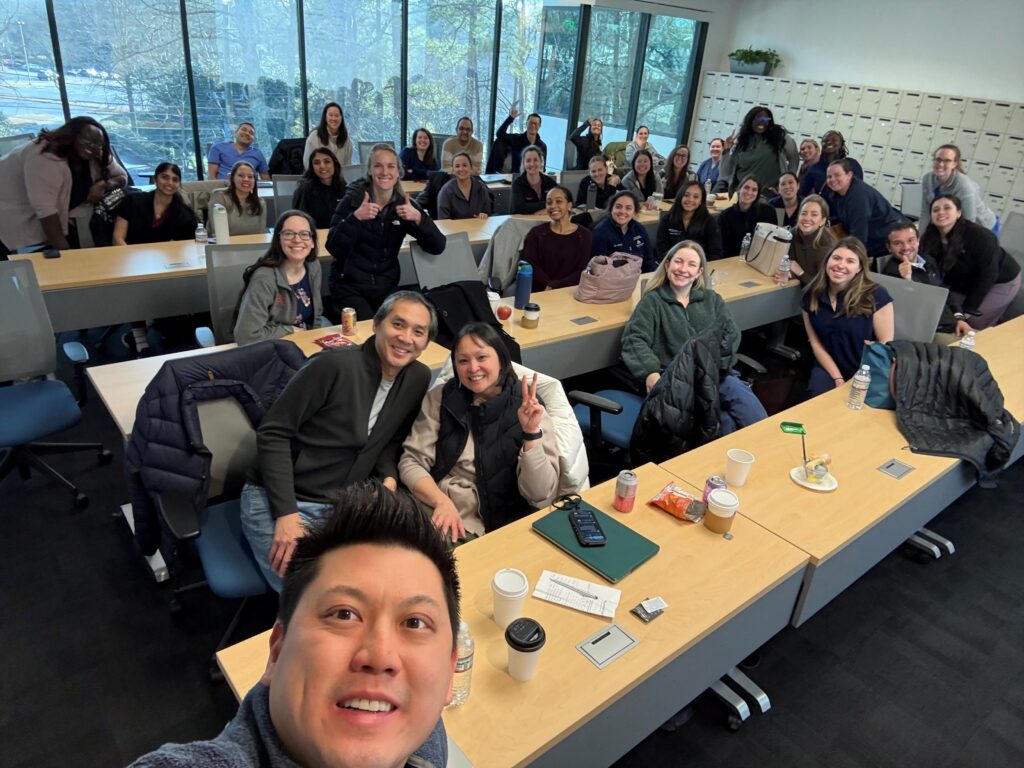
This course also reflects the broader educational mission of the AAGL: to advance the field of complex benign gynecology through innovative, high-quality surgical education. By integrating simulation-based training with expert-led instruction, this program enhances technical competency but also models effective approaches to curriculum development. Importantly, it invites fellows to think critically about how we teach, learn, and continuously improve.
The success of the course is a testament to the strength of AAGL’s ongoing investment in the next generation of surgeons. As faculty, it is both inspiring and reassuring to witness the talent, dedication, and leadership potential of these fellows. Programs like this not only elevate individual trainees but also strengthen the field of complex benign gynecology.
In reflecting on this experience, it is clear the future of our subspeciality is in capable hands—and that the AAGL remains at the forefront of cultivating that future.